Concrete admixture specialists · Hong Kong & Asia
For over 30 years KFDN has engineered the admixtures behind Hong Kong's most demanding pours. Today our KFDN technology makes high-GGBS, low-carbon concrete practical at full production scale.
Over 30 years serving Hong Kong and Asia
R&D and production in the Greater Bay Area
Quality, supply and support you can count on
KFDN is a family company built on concrete science — three decades of admixture chemistry, applied where it matters most.
We solve the problems producers actually face — from difficult aggregates to clay content — side by side with your team.
From pioneering PCE synthesis in China to today's state-of-the-art facility, our chemistry leads the market.
Consistent supply and consistent performance, batch after batch, pour after pour.
Our admixtures unlock the high-GGBS concrete that Hong Kong's carbon targets depend on.
KFDN is founded by Mr. Bun Wing Siu — inventor of recycled naphthalene synthesis and a leading concrete expert in China.
A pioneer of PCE admixtures in China, with rapid growth across Hong Kong and Asia. George Siu and Peter Siu return to drive company development.
Advanced PCE production technologies and a client-centric approach to resolving issues with aggregates and clay content.
A state-of-the-art synthesis facility puts years of GGBS admixture experience to work, with enhanced customer service capabilities.
Hong Kong is committed to cutting carbon emissions by 65–70% by 2030 — and concrete is one of the biggest levers. Most of that reduction will come from one change: dramatically increasing GGBS usage in concrete.
GGBS is a proven low-carbon supplementary cementitious material — but at high replacement levels it strains everything producers care about:
Over ten years of KFDN R&D on GGBS concrete, built into every drum we deliver:
Easier mixing and placement, even at 80% replacement.
Better production times and consistent output.
Backward compatible with existing mix designs — production as usual for concrete producers.
High-replacement GGBS concrete isn't a lab result for us — it's in the ground, at production scale, on Hong Kong's public works.
First to successfully produce high-volume 80% GGBS replacement concrete for bored piles.
First to successfully produce high-volume 70% GGBS replacement concrete for pile caps.
Sustained production rate — a conservative estimate — with reduced viscosity and segregation, and improved slump retention.
Recent low-carbon pours powered by KFDN admixtures.
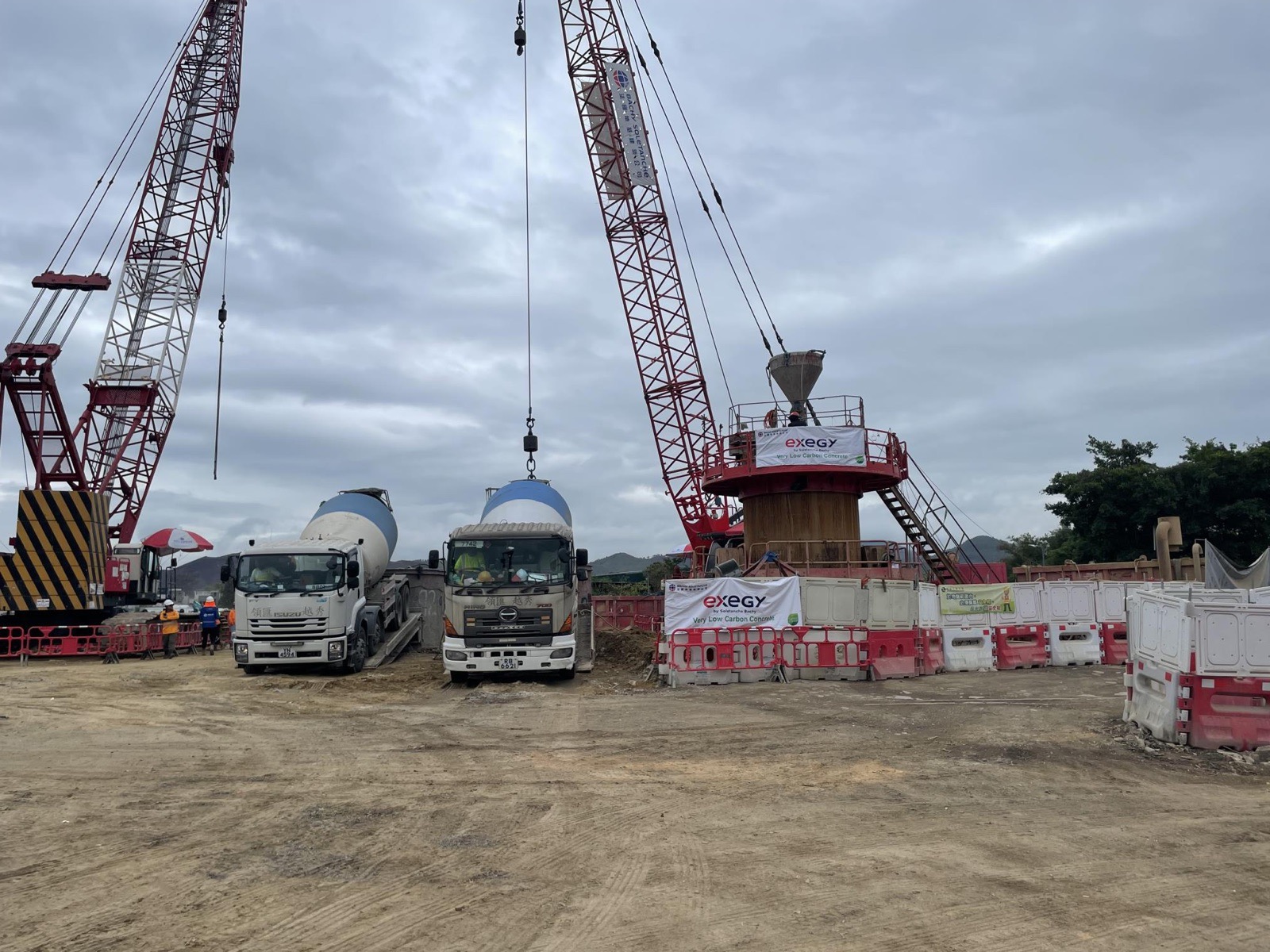
Grade 60 · 80% GGBS tremie concrete
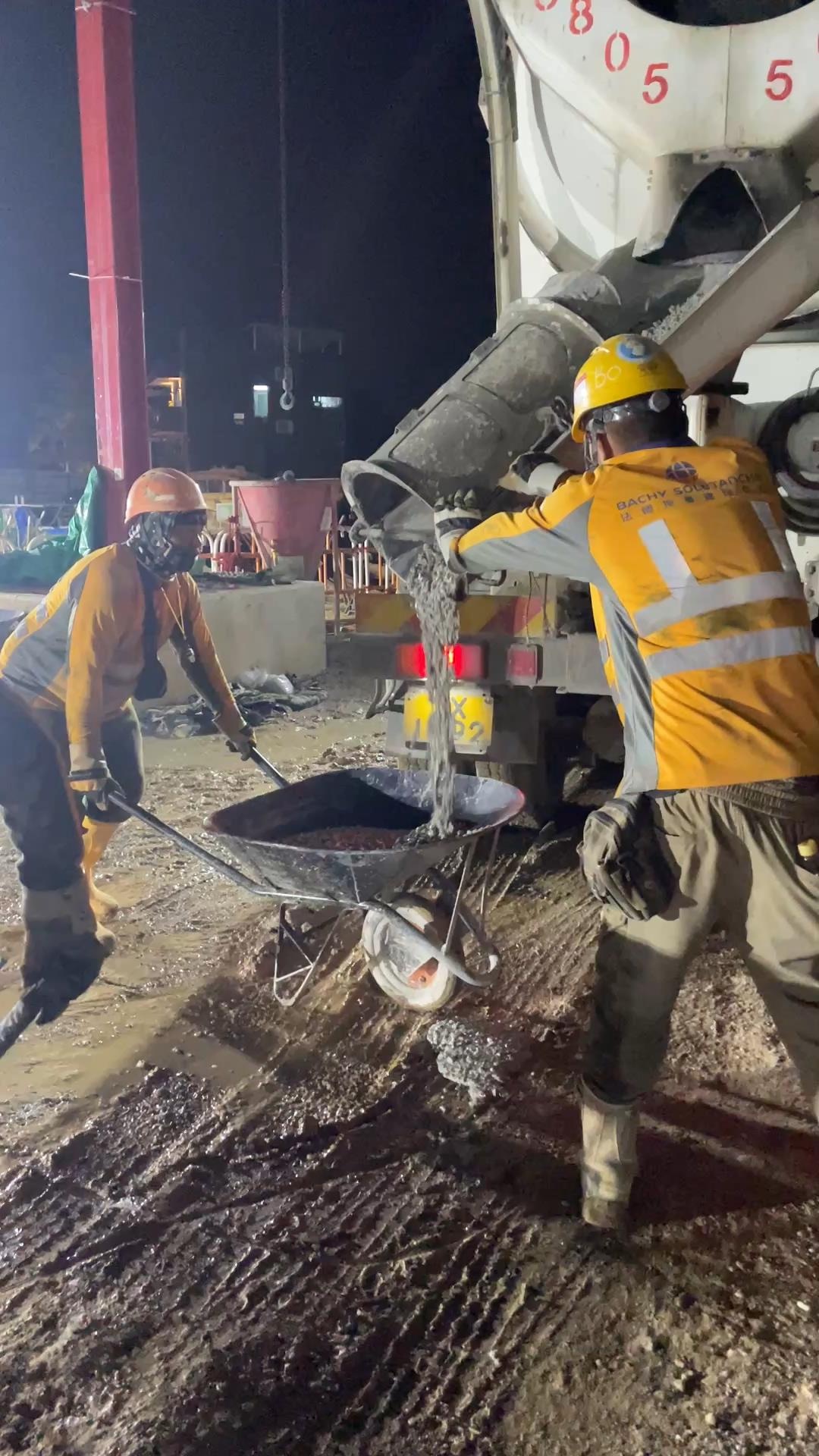
Night placement, production as usual
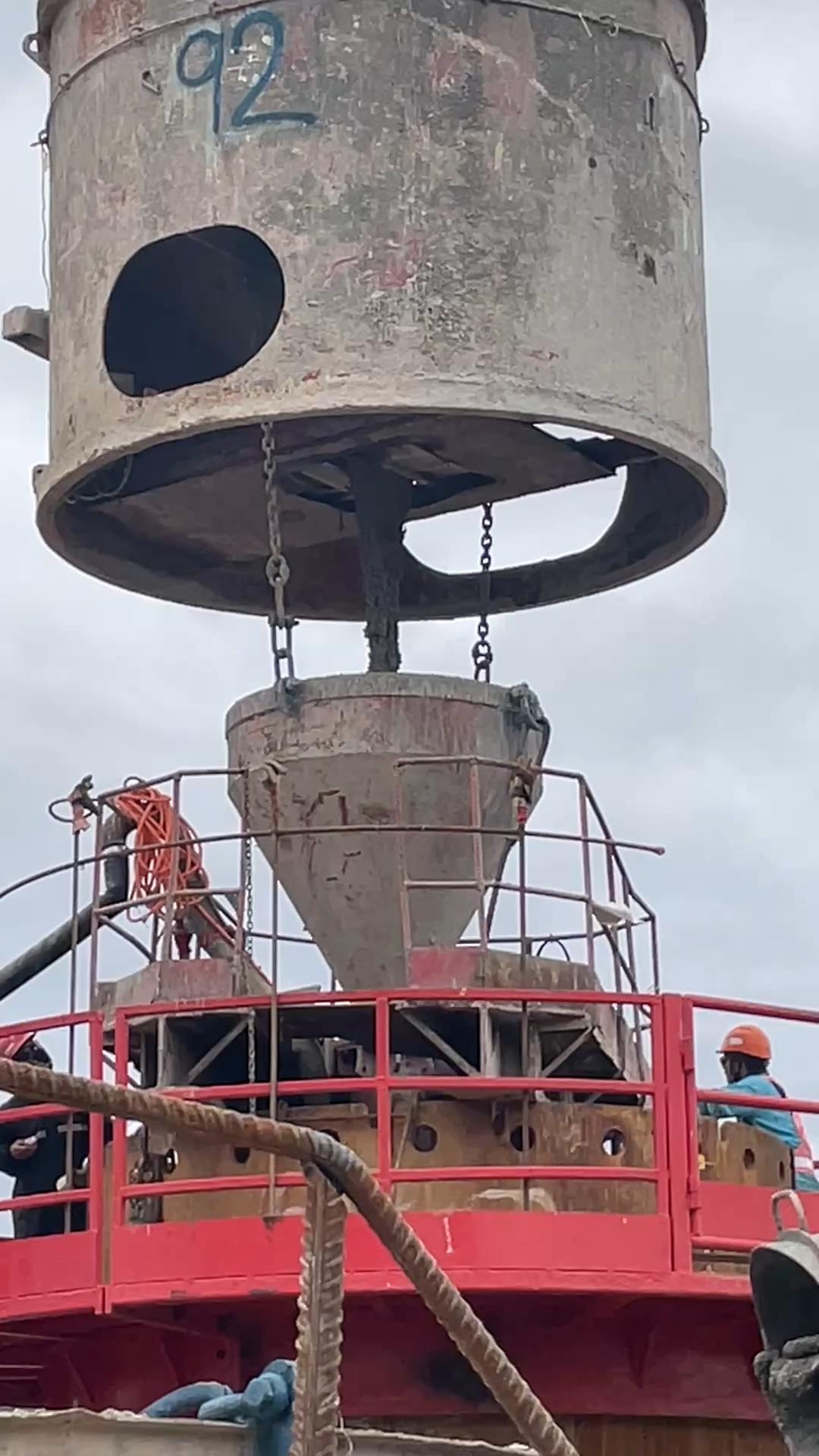
Tremie placement at depth
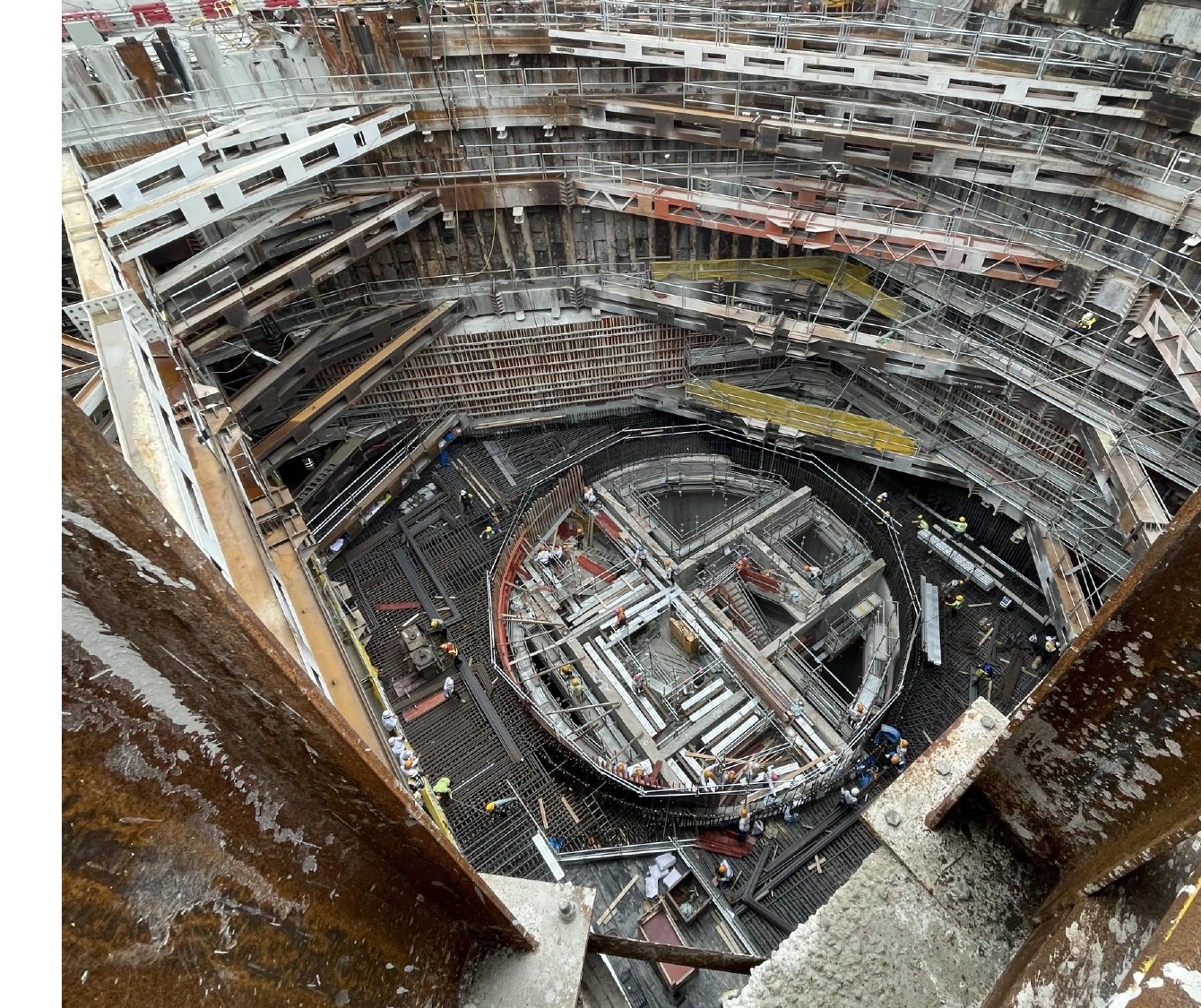
Grade 60 pile cap · 70% GGBS concrete
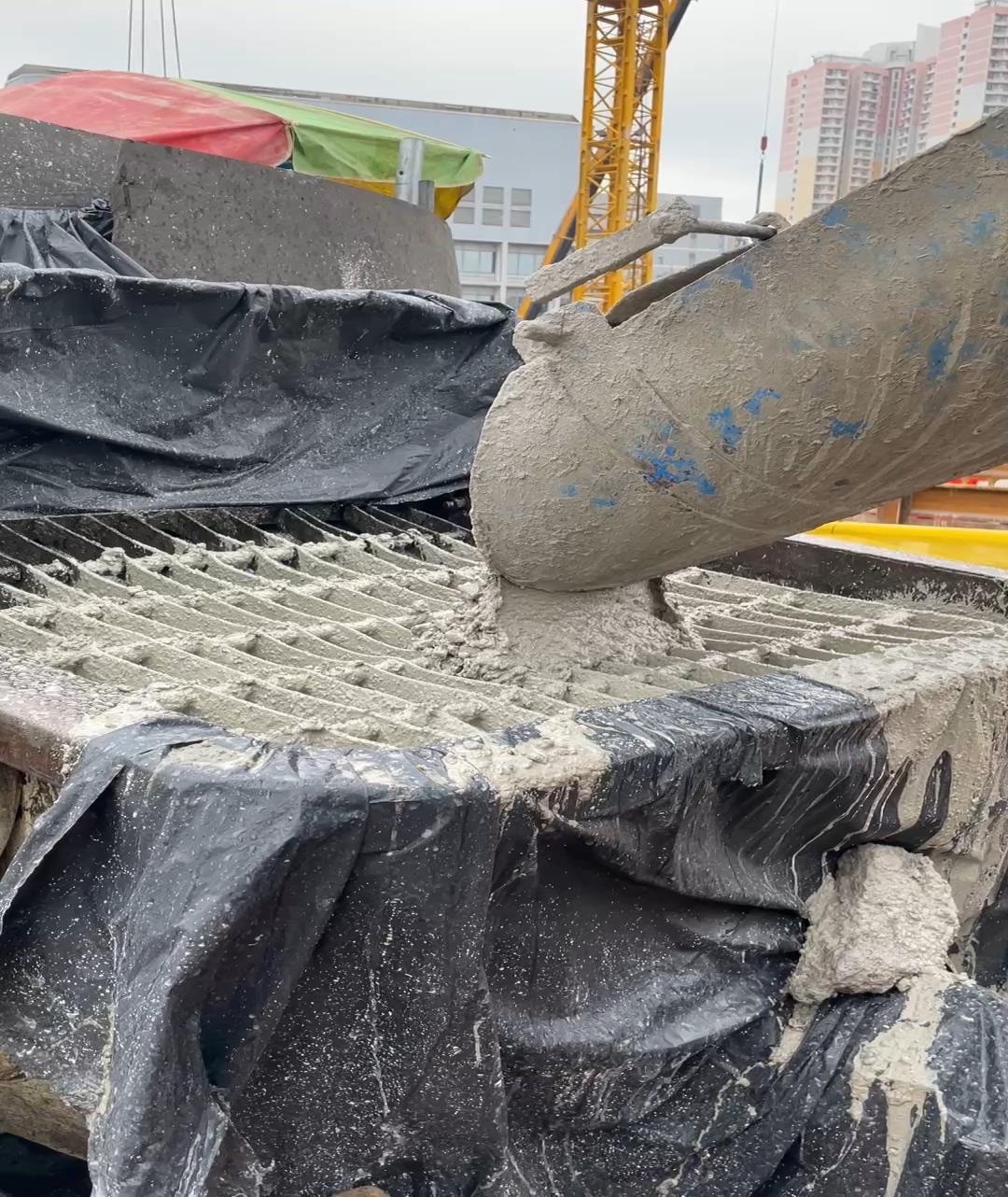
Low viscosity, even at 70% replacement
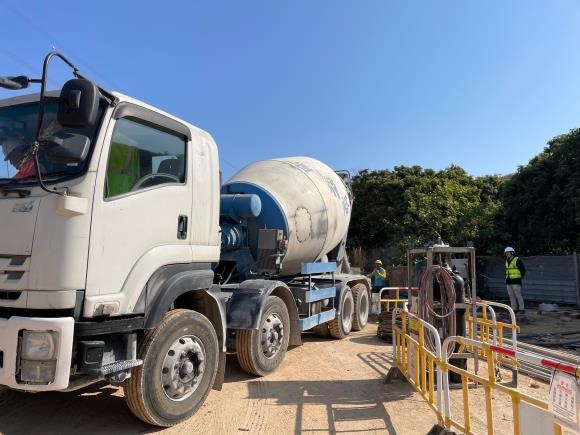
Our non-shrinkage GGBS grout brings the same low-carbon chemistry to grouting — mixed at the plant, delivered ready to place.
Less than half the carbon emissions of conventional cement grouts.
No expansion powder to add on site — it arrives ready to pump.
No workers climbing concrete trucks to add powders.
Everything is done at the ready-mix plant — one clear line of quality responsibility.
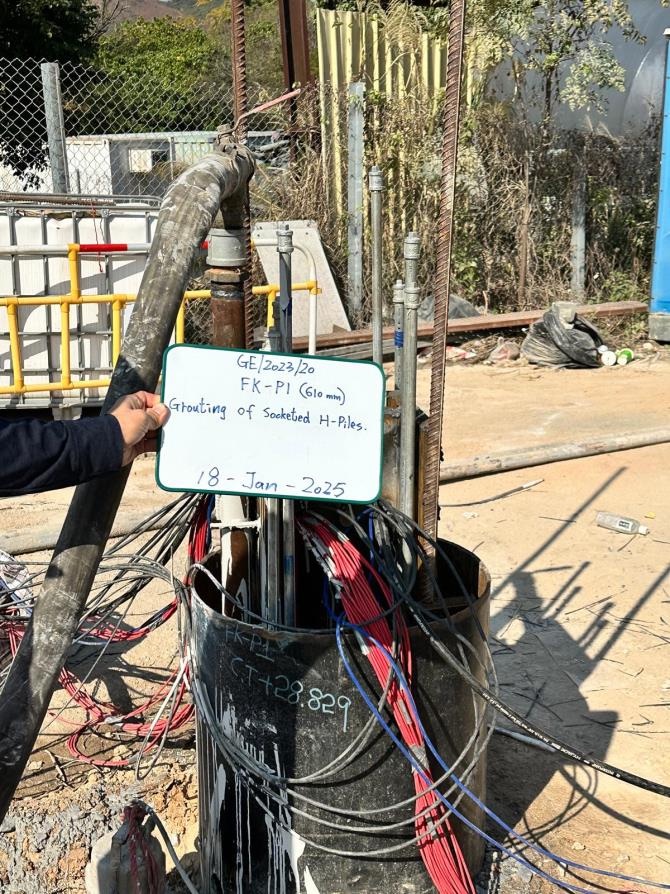
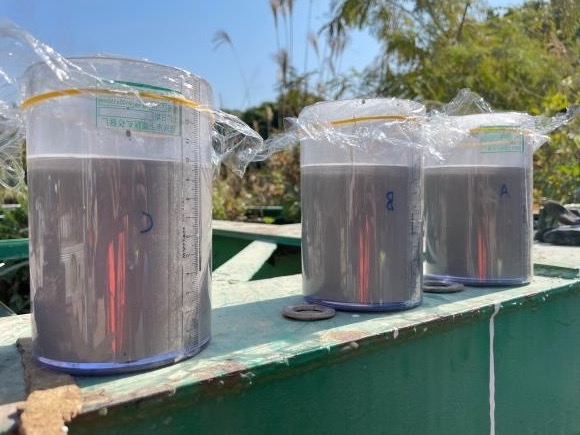
In independent UK trials on calcined clay (LC3) cements, KFDN admixtures held workability for a full 2.5 hours — at roughly half the dosage competitors required.
New binders like LC3 are notoriously hard on admixtures. The same chemistry that tames high-GGBS mixes handles calcined clay too — wherever the low-carbon transition goes next, we're ready.
Slump flow (mm) after mixing, Grade-equivalent LC3 concrete
| Hours | KFDN (mm) | Competitor 1 (mm) | Competitor 1, reduced dosage (mm) |
|---|---|---|---|
| 0 | 590 | 520 | 520 |
| 0.5 | 600 | 575 | 505 |
| 1 | 610 | 630 | 489 |
| 1.5 | 597 | 623 | 452 |
| 2 | 583 | 616 | 417 |
| 2.5 | 570 | 610 | 382 |
Planning a high-GGBS pour, fighting a difficult mix, or exploring new binders? Talk to us — we answer fast.